Greenland — A Photographic Journey
Join us on an expedition into one of the last truly wild places on Earth. This is a truly unforgettable landscape and wildlife photography workshop in the heart of Disko Bay, Greenland. Led by Nikon School and expedition photographer Renato Granieri, This expedition is built around a simple idea: Being in the right place, at the right time, with the right conditions to create meaningful images. Each day is shaped by the light, weather, and opportunity—because in Greenland, those are the only things that truly matter.
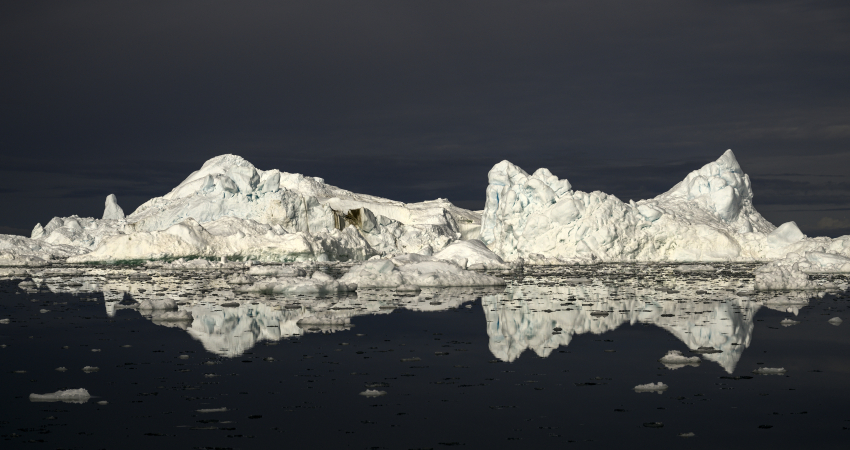
We will be based out of Ilulissat, known as “the city by the icebergs". This is where nature and culture meet in breathtaking harmony. This workshop places you in the heart of Greenland’s most iconic scenery: towering icebergs, active glaciers, and whale-rich waters under the soft, golden light of late summer. IIulissat is a living landscape of ice, culture, and history, offering photographers a chance to witness the raw beauty of Greenland up close.
August in Greenland brings a quality of light that elevates everything as summer moves into autumn. The sun casts long, soft illumination across the terrain, creating depth, texture, and atmosphere in every frame. Transitions between day and night stretch into extended periods of twilight, offering rare opportunities to work slowly and deliberately with evolving colour and mood.
This is a small group photography experience designed to give you the time, access, and the space required to produce exceptional work. We will be following the light leaving you free to engage fully with the environment, refining your techniques and pushing your photography further. Guidance is always at hand, but the emphasis is on enabling you to see more, react faster, and create images with intention and depth.
Greenland is not just a landscape; it is a story waiting to be interpreted. Beyond the ice and wildlife, there are traces of human presence, a life shaped by isolation and resilience. Photographing here is not simply about capturing beauty, but about conveying atmosphere, scale, and the relationship between people and one of the harshest environments on Earth.
Conditions change quickly, the weather is unpredictable, and the best moments often come to those willing to wait, adapt, and push beyond their limits. But it is precisely this unpredictability that makes Greenland so powerful. The images you create here carry weight. They hold a sense of place that cannot be replicated, and they stand apart from anything captured in more accessible locations.
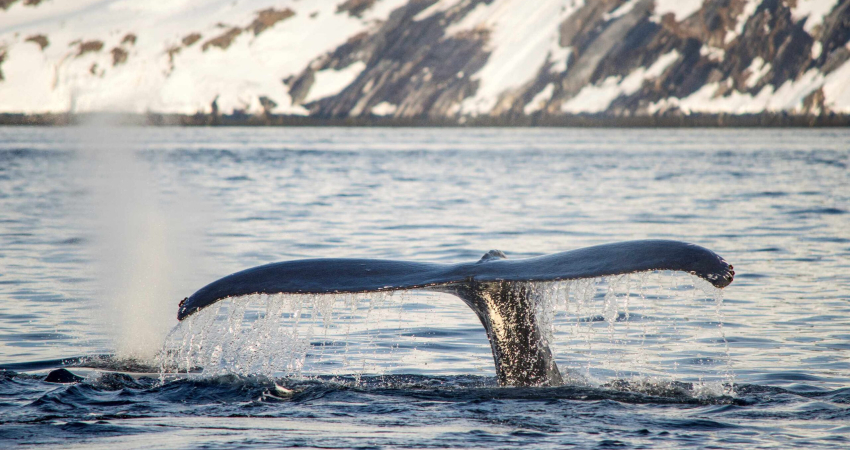
From the moment we arrive in Ilulissat, the pace is set. After a short transfer to IIulissat and our hotel, we will conduct a welcome briefing and before heading straight out into Disko Bay for an evening session among drifting ice. Shooting from a moving boat forces you to adapt quickly—working with shifting compositions, changing light, and the possibility of whales surfacing without warning. It’s an immediate immersion into the realities of Arctic photography.
The following morning begins early at Sermermiut, overlooking the vast expanse of the Ilulissat Icefjord. Here, the scale is difficult to comprehend at first—an endless field of ice stretching to the horizon. This is where composition becomes critical. You’ll work with depth, balance, and negative space, learning to simplify a complex landscape into something intentional.
Later, the focus shifts again as we travel by boat to Eqi Glacier. The environment becomes more dynamic, more unpredictable. Ice breaks away from the glacier without warning, sending waves across the fjord. It’s a place that demands patience and awareness—watching, waiting, and responding when the moment comes. If conditions allow, you’ll remain into the evening, working with extended Arctic light that softens edges and reveals texture across the ice.
Midway through the journey, we will leave Ilulissat behind and move to Disko Island. The landscape changes completely. Ice gives way to volcanic rock, flowing water, and Arctic vegetation. The pace slows here, not because there is less to photograph, but because it requires a different way of seeing. You begin to focus on detail, on relationships within the frame, on building compositions rather than reacting to them.
Time in Kuannit allows for this shift to settle in. With fewer distractions, you can work more deliberately—refining framing, exploring texture, and stripping scenes back to their essential elements. These quieter moments often produce some of the most considered images of the trip.
Returning to Ilulissat, the final full day is spent back on the water, where everything comes together. Multiple boat sessions give you the chance to revisit subjects under different light and conditions, applying what you’ve learned and pushing for stronger results. Icebergs that seemed chaotic at first begin to reveal structure. Timing improves. Decisions become more instinctive.
By the final morning, there is space to review the work and reflect on the process. What you take away is not just a collection of images, but a deeper understanding of how to work in a landscape that is constantly changing—where patience, awareness, and adaptability define the outcome.
This is not a passive experience. It is a sustained, focused engagement with one of the most visually powerful environments on Earth—designed for photographers who want to return with work that truly reflects it.
Reserve Your Place
Spaces are strictly limited to 6 participants to ensure a high-quality, personalised experience. Early booking is highly recommended.
If you're ready for an extraordinary journey to Greenland, then this photography expedition promises adventure, inspiration, and the chance to create images that few others will ever capture.
Please e-mail us at Nikon School to reserve your space on this amazing photography adventure. To secure your place, a non refundable deposit of £3000 is payable. The balance for the workshop due around 3 months prior to the workshop starting. Alternatively you can book and pay the the entire workshop online.
Further joining instructions will be sent out closer to the workshop as well as an invite to an online Zoom briefing prior to the workshop starting.
Important Notes
This workshop involves moderate to high physical activity. You should be comfortable hiking and spending several hours per day on a boat, Summer weather conditions in Greenland can vary dramatically, so appropriate clothing, footwear, and preparation are essential. The day to day itinerary is highly weather-dependent as the weather conditions can be spectacular but also unpredictable. We will adjust our daily plans accordingly to make the most of the light, scenery, and conditions available to us.
This is a Photographic workshop and will we prioritise the opportunity for you to shoot great images above everything. We will plan each day around the weather and light, which means that meal times may be at non standard times and we may start the the day very early and be out until late in the evening if the light and weather permits.
Proposed Itinerary (subject to weather)
Day 1 - Aug 19th, 2027
Arrival in Ilulissat marks the start of the expedition, with a short transfer from the airport to your hotel. After settling in and a short welcome briefing to outline the plan and conditions, the focus quickly shifts to the field.
By evening, you’ll be on the water, heading out into Disko Bay aboard a private boat for your first shooting session. This is a strong period for whale activity, and while sightings can never be guaranteed, encounters are often frequent. Working among drifting ice in low Arctic light, you’ll begin to adapt to shooting in cold, open conditions with moving subjects and constantly changing compositions.The session lasts around three hours, offering a focused introduction to the environment and setting the tone for the days ahead.
Day 2 - Aug 20th, 2027
In the early morning, you leave the hotel and head out towards Sermermiut, just outside Ilulissat, arriving in time to work with the first light as it reaches the icefjord. From the elevated viewpoints, the landscape opens up into a vast field of drifting ice, offering strong opportunities to explore scale, layering, and subtle changes in light across the scene. It’s a location that rewards patience and careful composition rather than quick shooting.
Later in the afternoon, the focus shifts back onto the water as you board a private boat and travel north through Disko Baytowards Eqi Glacier. The journey itself becomes part of the photographic process, passing the small settlement of Oqaatsut and moving deeper into increasingly remote, ice-filled waters.
At Eqi, you are positioned directly in front of an active glacier face, where ice regularly breaks away and collapses into the fjord. The timing of these events is unpredictable, requiring observation and readiness, but the setting offers a rare chance to photograph a glacier in motion. If conditions allow, the session extends into the evening, making the most of softer, lower-angle light as it moves across the ice and water.
Day 3 - Aug 21st, 2027
Around midday, you leave Ilulissat behind and travel by private boat across Disko Bay toward Qeqertarsuaq. The journey itself offers time to observe the changing landscape as the dense ice fields gradually give way to the darker, volcanic terrain that defines Disko Island.
By early afternoon, you begin your hike into the Kuannit area, continuing on toward Qorlortorsuaq Waterfall. This is a shift in both environment and photographic approach. The compositions become more intimate—flowing water, layered rock formations, and Arctic vegetation replacing the vast, open scenes of the icefjord.
The terrain is generally accessible, with a gentle elevation gain of around 80 metres, though some uneven ground requires steady footing. It’s a comfortable but active walk, allowing time to slow down and work more deliberately with composition and detail.
Day 4 - Aug 22nd, 2027
An early start takes you back into the Kuannit region on Qeqertarsuaq, a landscape defined by dark volcanic formations, flowing water, and pockets of vivid Arctic plant life, including wild Angelica. In the softer morning light, this area offers a quieter, more controlled shooting environment—ideal for refining compositions and working more deliberately with texture, contrast, and form.
Although Kuannit is one of the island’s better-known locations, it remains remarkably uncrowded, allowing for an uninterrupted and immersive experience in the field. You’ll spend several hours here, giving you time to revisit scenes, adjust your approach, and develop more considered images.
Later in the day, you return by boat across Disko Bay, heading back to Ilulissat and re-entering the shifting world of ice that defines the region.
Day 5 - Aug 23rd, 2027
Today is fully dedicated to working on the water around Ilulissat, with two private boat sessions designed to make the most of changing light and conditions in Disko Bay.
The first departure is in the early morning, when the light is low and the sea is often calmer, an ideal window for clean compositions and quieter wildlife activity. You’ll work among drifting icebergs, refining framing and responding to subtle shifts in light and atmosphere.
Later in the afternoon, you head out again for a second session, returning to the same environment under different conditions. As the light softens, shapes and textures across the ice become more defined, offering new opportunities to revisit and improve earlier shots.
Each session lasts around three hours, giving you extended time on the water to build consistency, adapt your approach, and push for stronger, more deliberate images.
Day 6 - Aug 24th, 2027
Depending on flight schedules, the final morning offers time to slow down and reflect on the work produced over the course of the expedition. This is an opportunity to review images, discuss key moments from the trip, and refine your approach moving forward; whether that’s in composition, timing, or handling challenging conditions.
Afterwards, you’ll transfer to the airport in Ilulissat for departure, concluding your time in the Arctic.
Accommodation
All rooms in the hotel are single occupancy, good sized rooms usually with a twin or double bed and all have private bathrooms.
Meals:
Breakfast is included each morning at your hotel, but all other meals, lunches, dinners, snacks, and drinks are not part of the workshop package.
While based in Ilulissat, you’ll have access to supermarkets and small local shops where you can pick up food for the day, particularly useful before boat excursions or longer shooting sessions. There are also a number of local restaurants available for evening meals, ranging from casual options to more refined dining. As a general guide, you can expect lunch at a café or mid-range restaurant to cost around DKK 150–200 (€20–€27), while dinner typically ranges from DKK 300–450 (€40–€60). Higher-end dining options can exceed DKK 500 (€70+) per person.
Photography Tuition:
While on the workshop Renato and Nikon School will show you how to get the best from your Nikon camera and lenses as well guide your thinking to the best compositions to ensure you get amazing images. Alongside our guides we will also show you the fieldcraft skills needed to get great images but at the same time being respectful of the environment and wildlife around us. We can also cover the best settings for landscape and astro photography as well as how to get front to back sharpness in your wildlife / landscape images and creative techniques such as shooting at slow shutter speeds, intentional camera movement (ICM) and shooting multiple exposures.
Photography Knowledge:
To get the most from this workshop, you should have a good understanding of your camera and its focusing modes and it’s recommended that you are familiar with manual mode, ISO, aperture, shutter speed and some basic knowledge of wildlife / landscape photography. The workshop is designed for photographers using any camera system, but Nikon users will especially benefit from hands-on support from Nikon School instructors. Whether you're an advanced enthusiast or a seasoned professional, this expedition will give you the opportunity to sharpen your skills and deepen your connection with nature. It's suggested that you bring:
A Mid range or high spec DSLR or Mirrorless camera plus second camera body if you have one; Multiple Batteries; Memory cards; Waterproof cover for camera and lenses; Study Tripod for Landscape / Video work (not a travel tripod); Monopods can be useful if you are using long lenses.
Lenses:
For wildlife photography aspects of this course, lenses such as 180-600mm, 600mm or 800mm are ideal. Teleconverters can also be useful to extend your reach. Although this is primarily a wildlife workshop, lenses such as the 14-30mm, 14-24mm are ideal as are 24-70mm or the 24-120mm. A 70-200mm or 100-400mm could also be useful in certain locations. If you have ND and Grad Filters these will also be useful to help you achieve creative landscape images.
Fitness:
This workshop requires a moderate to high level of physical fitness as you may be standing or kneeling with your camera for extended periods of time in cold conditions both on land and by boat. Please advise us before you book about any medical conditions you may have which may impact your participation in the workshop or may affect the other delegates on the workshop. On arrival at the hotel, the guides will decide on your fitness level and suitability to undertake the more strenuous aspects of the workshop.
Transport:
Flights & Trains
Arrival date 19th August 2027 at Ilulissat Airport, Greenland.
Departure date 24th August 2027 at Ilulissat Airport, Greenland.
Delegates are responsible for their flights to and from Greenland and we will advise in due course the recommended flights to book
PLEASE DO NOT BOOK YOUR FLIGHTS UNTIL WE CONFIRM THAT THE WORKSHOP HAS MET THE MINIMUM DELEGATE NUMBERS TO PROCEED.
Once we are in Greenland, transport is included in the workshop cost.
Weather:
The weather in Greenland can be mild or it can be extreme. While we will do our best to follow our planned route and itinerary we will always put safety first and only travel or visit locations if it is safe to do so. AverageDaytime temperatures in August will be max 10 degree Celsius, with overnight temperatures dropping to around 4 degrees Celsius. We would expect about 16 hour of daylight each day. Please bring suitable clothing and footwear for these temperatures. We will cover this in more detail in the joining instructions and pre workshop Zoom call.
Clothing:
Please bring appropriate clothing with you such as a a polar or arctic rated windproof and waterproof jacket and trousers. A layered approach to clothing i.e base thermal layer, mid layer / fleece then over jacket is the best approach. Hats and gloves are useful as are appropriate walking boots. It gets especially cold out on the sea. We will provide floating suits and life vests for security reasons but it will also help you keep warm. Sunglasses, Insect Repellant / Mosquito nets can also be useful.
Joining Instructions
We will provide further information in the joining instructions sent out closer to the workshop. We will also host a Zoom pre briefing meeting a couple of months before the workshop.
In the meantime, you have any questions about this workshop, feel free to get in touch at [email protected]


Knowledge of:

Nothing caught your eye yet?
Why not have a look at these...